Build vs. Rent: Why You Should Own Your Marketing System
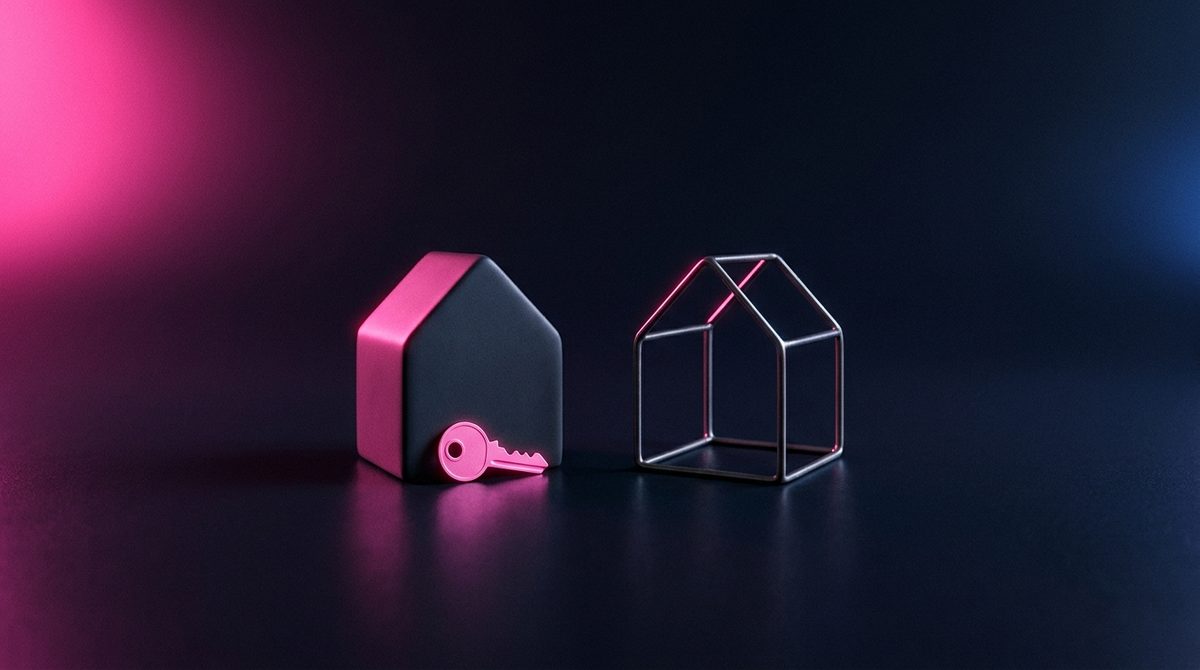
Here's the uncomfortable truth about how most agencies are designed: they're built so you can never leave. Not because they're malicious — because the business model rewards dependency. If you could run the system yourself, you'd stop paying them. So they rent you results and quietly keep the machine that produces them.
You feel it the day you try to leave. The ad account knowledge walks out the door. The automations live in their tools, under their login. The creative templates, the audience data, the reporting — none of it comes with you. Three years of spend, and you own nothing. You're back to zero, shopping for the next agency to rent from. That's not a partnership. That's tenancy.
Rent vs. build, made concrete
The difference isn't philosophical. It shows up in specific places:
- Whose accounts? Rented: the agency runs ads from their account or their access, and "manages" your CRM. Built: every account, pixel, domain, and CRM is yours, in your name, and you hold the keys.
- Where does the knowledge live? Rented: in the agency's heads and their proprietary process. Built: documented in your systems — SOPs, workflows, dashboards you can read.
- What happens if they vanish? Rented: your marketing stops the day the relationship ends. Built: the machine keeps running; you can operate it, hand it to a junior hire, or bring in a new partner without starting over.
- What are you paying for? Rented: ongoing access to their labor, forever. Built: the construction of an asset you keep, plus optional help running it.
One of these is an expense that never ends. The other is an investment that appreciates. The monthly invoice can look identical; what you're left holding at the end could not be more different.
The objection: "But I don't want to run it myself"
Fair — and important. Owning the system does not mean you have to operate it. Those are two separate questions that the rent-model deliberately blurs. You can own your marketing machine outright and still pay someone to run it. The difference is leverage: when you own it, running it is a commodity service you can buy from anyone, including a $25/hour operator or a fractional partner. When you rent it, the only person who can run it is the one you're renting from, and they price accordingly.
Ownership is what turns "I'm trapped with this vendor" into "I choose to keep working with this partner because they're good." Same monthly check, completely different power dynamic. You should want to keep your partner because they earn it every month — not because leaving means demolition.
Why "you own it" is also better for the good operators
Here's the part that surprises people: building you an asset you own is better for the honest operator too. When you're not afraid of being trapped, you say yes faster, you stay longer because you want to, and you refer others because you weren't burned. The lock-in model wins the first contract and poisons the relationship. The ownership model loses the leverage of a hostage and wins the durability of a partnership — which is why my own average client tenure runs far longer than the industry norm. People stay when staying is a choice.
The operators who insist on lock-in are usually the ones who know their work won't survive scrutiny. If a partner is confident the work is good, they have no reason to hold your accounts hostage. Watch what they do with ownership — it tells you what they think of their own product.
How to tell if you're being sold an asset or a dependency
Ask these questions before you sign anything. The answers are revealing:
- "Whose name is on the ad account and the CRM?" If it's not yours, you're renting. Non-negotiable.
- "If we part ways, what do I keep?" A good answer is specific: the accounts, the automations, the creative, the documentation. A bad answer is vague or defensive.
- "Will you document the system so my team could run it?" Builders say yes without flinching. Renters explain why that's "not how it works."
- "What's the contract length, and why?" Long lock-ins protect the agency, not you. Month-to-month after a fair build period signals confidence in the work.
- "Can you show me a client who left and kept their system?" The reaction to this question tells you everything.
The build-then-run sequence
What this looks like in practice is a deliberate order:
- Build the asset. Set up the accounts in your name, install the follow-up engine, produce the creative system, document how it all works. A defined project with a defined end, not an open-ended drip.
- Transfer the knowledge. Train your team, hand over the SOPs, make sure someone on your side understands the machine. Ownership without understanding is just storage.
- Choose how to run it. Operate it in-house, hire cheap labor to manage it, or keep a fractional partner on for strategy and optimization. Your call, made freely, because you hold the asset.
The thread through all of it: you should end every engagement richer in capability than you started, whether or not the relationship continues. If your marketing partner leaving sets you back to zero, you were never building anything — you were paying rent on someone else's machine.
Stop renting your growth. Build the system, own it, and then decide who you want running it. That single shift — from tenant to owner — changes your costs, your leverage, and your peace of mind all at once.
Want a marketing system you actually own?
Everything I build goes in your name, documented so your team can run it. Keep me on to operate it, or take the keys and run it yourself. The Build package is where it starts.
See the Packages →